Mata Malika Energy Multiple Private Limited

Malumela Hydroelectric Project

72 MW Clean Energy Project

The Malumela Hydroelectric Project is a 72 MW run-of-river hydropower project planned to harness Nepal's abundant water resources for clean electricity generation. With an estimated annual energy production of 448.35 GWh, the project aims to contribute significantly to national power supply, economic development, and sustainable infrastructure growth.

Location: Thalara Bajhang District Installed Capacity: 72 MW
Installed Capacity 72 MW
Annual Energy 448.35 GWh
Project Type Run-of-River
Power Impact Clean Supply

About the Project

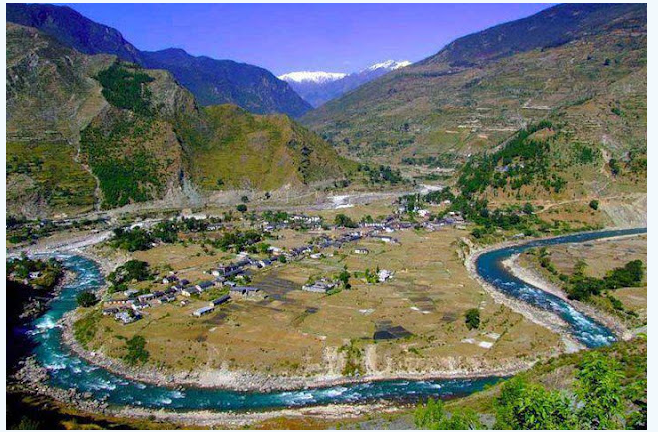
The Malumela Seti Nadi Peaking Hydroelectric Project is a strategically important renewable energy project planned to strengthen Nepal's power generation capacity. With an installed capacity of 72 MW, it harnesses the Seti River to produce clean and sustainable electricity for households, industries, and businesses.

Designed as a Peaking Run-of-River (PROR) scheme with 4-hour peaking storage, the project stores water during lower-demand periods and releases it when electricity demand is highest. This improves grid reliability while making better use of Nepal's hydropower resources.

The project is expected to generate about 448.35 GWh annually, using a 115 m gross head and 102 m rated net head. Power will be evacuated through a 132 kV transmission connection, with a planned construction period of four years and a projected payback period of twelve years.

72 MWInstalled Capacity
448.35 GWhAnnual Generation
4 HoursPeaking Storage
132 kVTransmission Connection
115 mGross Head
102 mRated Net Head
4 YearsConstruction Period
12 YearsPayback Period
Hydrology & Water Resources

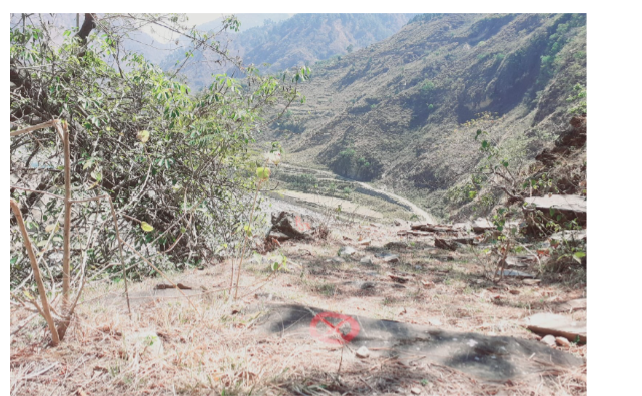
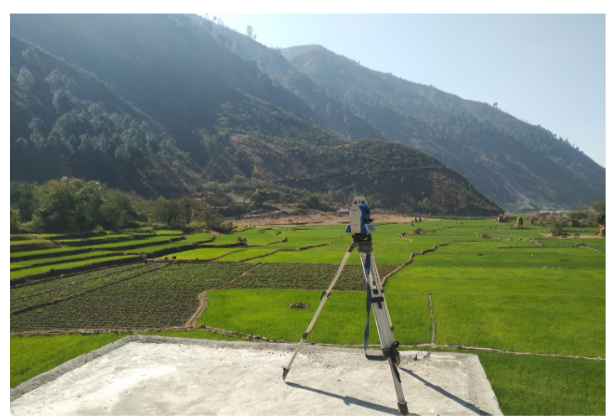
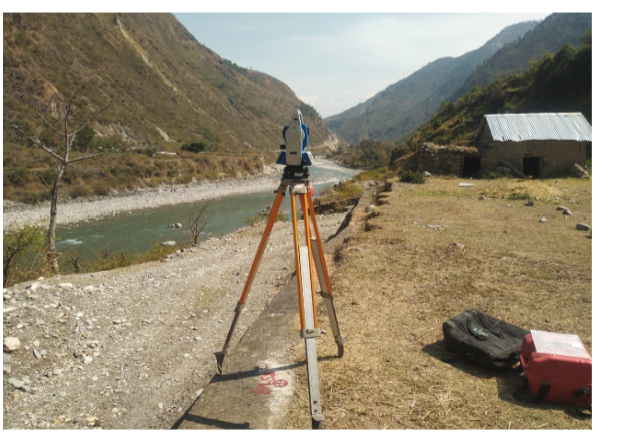
The project utilizes the hydropower potential of the Seti River basin. Extensive hydrological studies were conducted to determine river flow behavior, seasonal variations, flood events, and sediment characteristics to ensure safe and efficient project operation throughout the year.

2,569 km²Catchment Area at Intake
2,720 km²Catchment Area at Powerhouse
118.13 m³/sMean Annual Flow
81.69 m³/sDesign Flow (Q40)
2.756 m³/sEnvironmental Release

Infrastructure & Power System

The project incorporates advanced civil engineering structures for efficient water diversion, sediment control, conveyance, and safe return of water to the river after power generation. Its powerhouse and transmission systems are designed to convert hydraulic energy into reliable electricity and deliver it to Nepal's national grid.

Civil Structures

  • Diversion Works
  • Diversion Channel
  • Cofferdam
  • Gated Barrage
  • Earth and Rock Fill Dam
  • Desander Intake
  • Multiple Hopper Desander
  • Fish Ladder
  • Intake Pond
  • Tunnel Intake
  • Headrace Tunnel
  • Adit Tunnels
  • Surge Tank
  • Drop Shaft
  • Pressure Tunnel
  • Tailrace Tunnel

Power Generation System

  • Surface Powerhouse
  • Vertical Francis Turbines
  • Generators
  • Gross Head: 115 m
  • Rated Net Head: 102 m
  • Plant Efficiency: 85.45%
  • 2 x 36 MW Vertical Francis Turbines
  • 2 x 40 MVA Generators

Transmission & Grid Integration

  • Switchyard
  • Transformers
  • 132 kV Double Circuit Transmission Line
  • Transmission Length: 22 km
  • 2 x 40 MVA Transformers
  • Connection to Kailash Bajhang-Chainpur Hub Substation

Sustainability, Environment & Economics

The project combines environmentally responsible engineering, community-centered development, and sound financial planning to deliver clean renewable energy while creating lasting value for local communities, investors, and the nation.

Environmental Sustainability

  • Clean renewable energy generation
  • Environmental flow release for river health
  • Reservoir area optimized to reduce land disturbance
  • Fish ladder for upstream and downstream migration
  • Sediment control and slope stabilization
  • Afforestation and water quality monitoring

Community Development & Social Impact

  • Household impact mitigation
  • Resettlement and compensation support where required
  • Regional infrastructure development
  • Project roads for improved local access
  • Bailey bridges for year-round mobility
  • Employment and local skill development

Economic Performance

  • Project cost planning for development and commissioning
  • Financial Internal Rate of Return (FIRR)
  • Benefit-Cost Ratio (BCR)
  • Payback period evaluation
  • Annual energy generation for grid supply
  • Long-term support for national energy security

Building a Sustainable Future

By balancing ecological care, social responsibility, and economic discipline, the project supports Nepal's clean energy future while strengthening local development and long-term investment sustainability.

Hydropower Energy Journey

A visual walkthrough of how water movement is transformed into clean electricity, from river intake and conveyance through generation and grid delivery.

Contact Us

Phone 9851089120
Location Thalara, Bajhang District, Nepal